Deadlines extended! Poster submissions are now accepted on a rolling basis until Friday, September 25, 2026. See details
IROS 2026 Workshop  ·  Pittsburgh, PA

Toward Human-Level
Robotic Teammates
R&D State of the Art and Roadmap to the Future

Thursday, October 1, 2026
Half-day morning workshop  ·  08:00 – 12:30
David Lawrence Convention Center, Pittsburgh, PA
Call for Posters

Submissions are open

  • Sun, August 30, 2026 Fri, September 25, 2026 Submission deadline — now rolling 23:59 Eastern Time
  • Rolling Notification of acceptance, as submissions are reviewed
  • Sun, September 27, 2026 Camera-ready poster and final video due
Attend the Workshop

Registration is open

All attendees must RSVP, in person and online alike. In-person participants also register through the main IROS 2026 conference; online attendance is free but limited.

Companion Workshop  ·  ACS 2026, Edinburgh

The conversation continues in Edinburgh

Right after this workshop, we are organizing a companion workshop — Symbolic Orchestration of Agentic and Robotic Systems — at the 13th Annual Conference on Advances in Cognitive Systems, Tuesday, October 6, 2026, University of Edinburgh, UK.

Overview

The emergence of agentic AI and the growing influence of neurosymbolic AI make it incumbent on the robotics community to assess their impact on integrating intentionality and reasoning with embodiment and perception.

While advances in machine learning-based, data-driven approaches have expanded the capabilities of robots in perception and control, cognitive modeling relying on symbolic knowledge, commonsense reasoning and ontologically-grounded perception interpretation is widely considered as the necessary complement to the empirical approaches for developing robust, intentional, reflective, trustworthy, explainable, and socially aware robots.

A core R&D question is how best to scale up from task-specific skills to integrated cognitive-robotic agency. The workshop will address neurosymbolic integration, long-horizon and hierarchical planning, human-robotic teaming and theory of mind, perception and action grounding, varieties of learning, trust, explainability, ethics, resource sharing, and other relevant topics.

We welcome contributions from researchers working at the intersection of symbolic AI, neural learning, and embodied autonomy, particularly those addressing the integration challenges that define the next frontier of robotic intelligence.

At a Glance

Workshop Highlights

Invited Talk

Alessandro Oltramari

Alessandro Oltramari, Ph.D.

Senior Manager, Cyber-Physical AI & Reasoning
Bosch Research, Pittsburgh & Carnegie Bosch Institute at CMU

"Cognitive Robotics in Industry: Challenges and Opportunities"

A perspective on deploying neuro-symbolic cognitive architectures in real-world, safety-critical environments, drawing on years of industrial research at Bosch.

Full talk details

Panel Discussions

Panel A  ·  Strengths, Limitations, and Open Questions

A structured panel critically assessing where the field of cognitive robotics agrees, where it doesn't, and which problems remain open.

Panel B  ·  Community Roadmap

A community-building exercise where panelists and the audience collectively sketch a roadmap for future R&D in cognitive robotics.

Meet the panelists

Poster Session

An interactive coffee-break poster session with themed discussion tables, featuring posters accepted through the call for contributions.

Call for contributions

Special Publication

International Journal of Humanoid Robotics

International Journal of Humanoid Robotics

World Scientific Publishing  ·  Peer-reviewed since 2004

ISSN 0219-8436  ·  eISSN 1793-6942

Authors of selected contributions are invited to submit full papers for a workshop special issue, covering both physical and cognitive aspects of humanoid and biologically-inspired robots.

About the journal
The Panels

Meet the Panelists

The two panel sessions are the workshop's defining feature: one critically assessing where cognitive robotics stands today, the other sketching a community roadmap for what to build next.

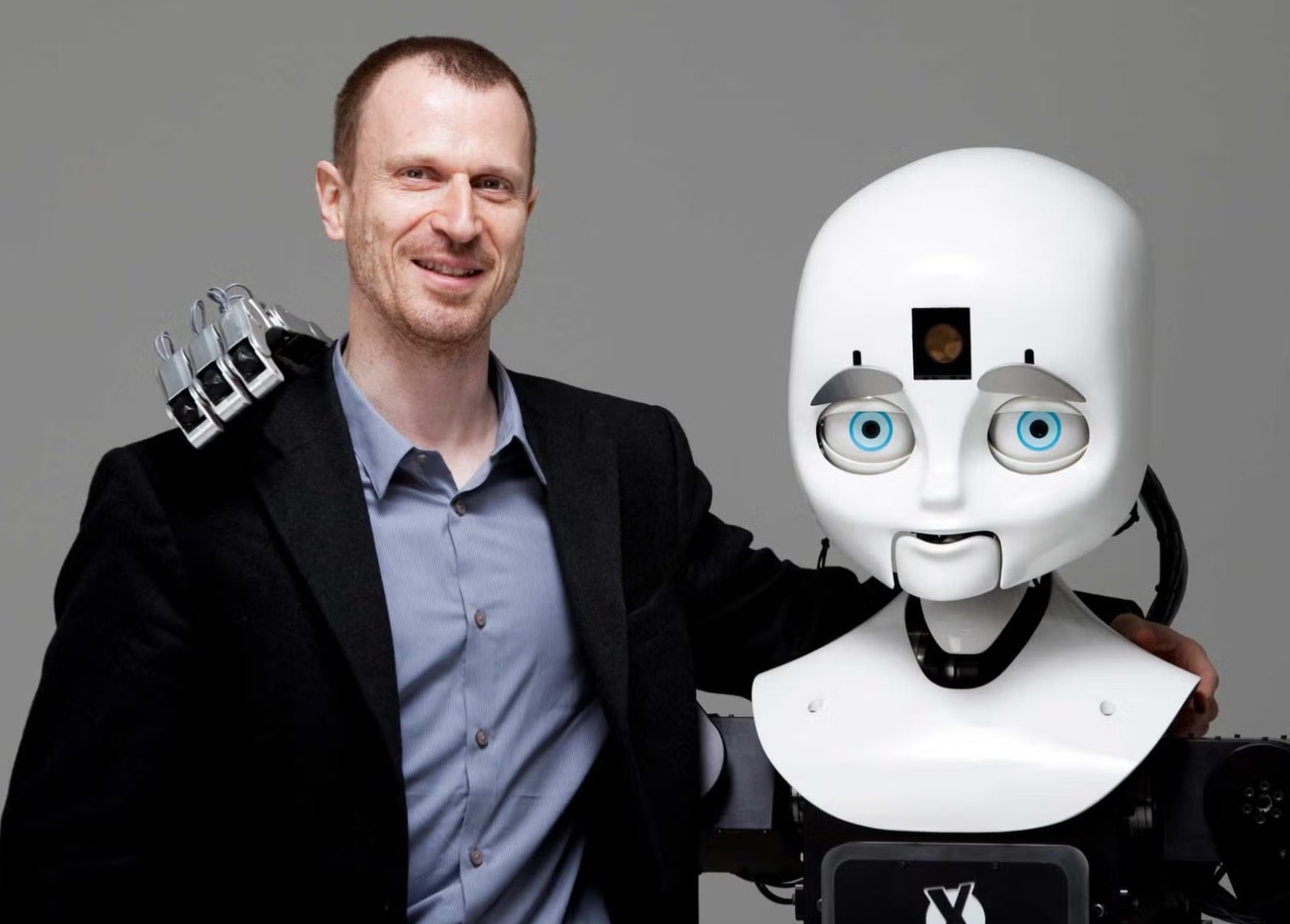
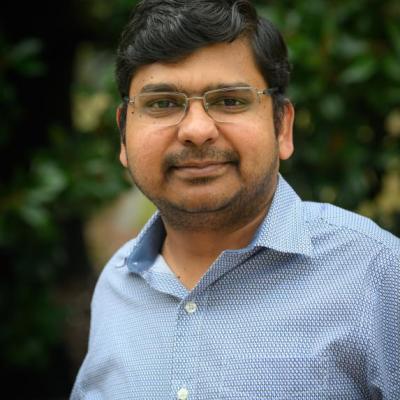
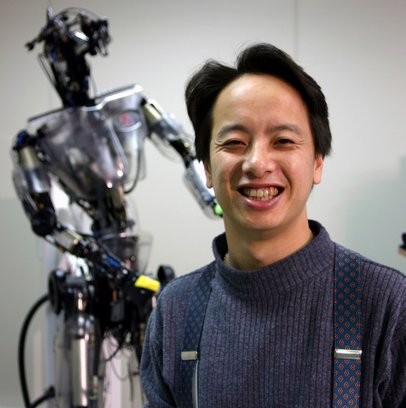
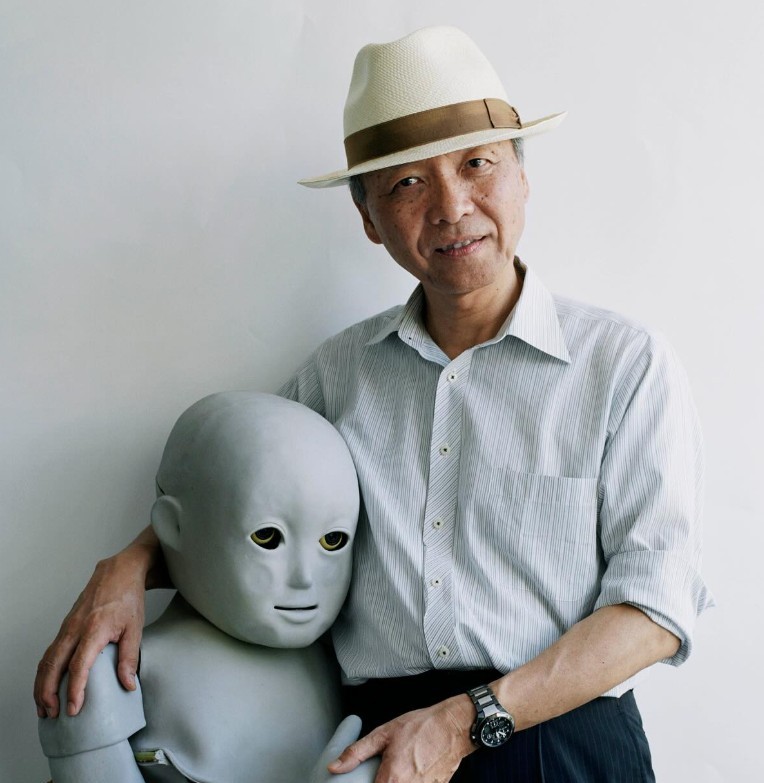
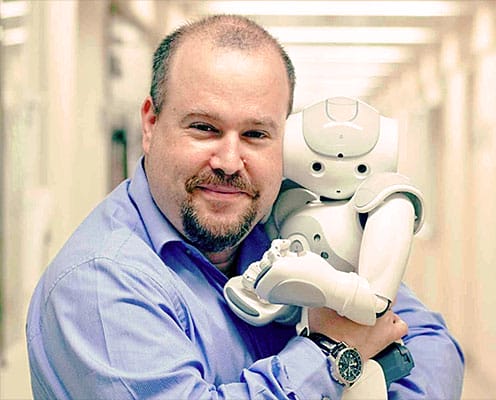
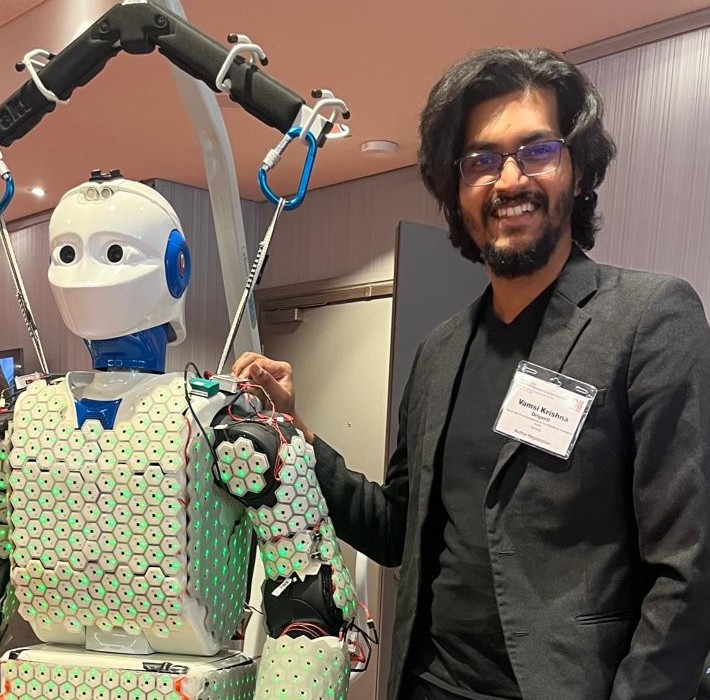
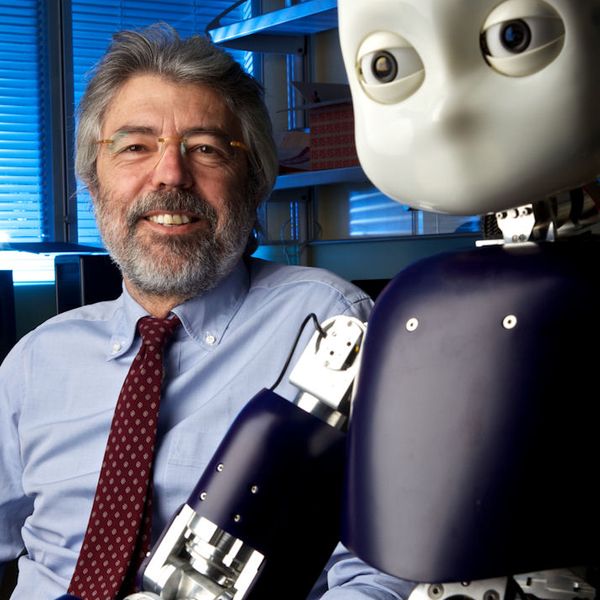
The panel brings together researchers behind some of the field's landmark systems — cognitive architectures fielded on physical robots, whole-body artificial skin, developmental robotics, multi-robot teams, and neurosymbolic AI deployed in industry — with more panelists to be announced.

Panelist introductions
Matthias Scheutz Christian Lebiere Ramviyas Parasuraman Gordon Cheng
Minoru Asada Alessandro Oltramari Sergei Nirenburg Luis Sentis

Program Committee

Organizing Committee